Quiet signals
Short cues replace lengthy instructions. Each cue maps to a five-to-ten minute window that respects adjacent meetings.
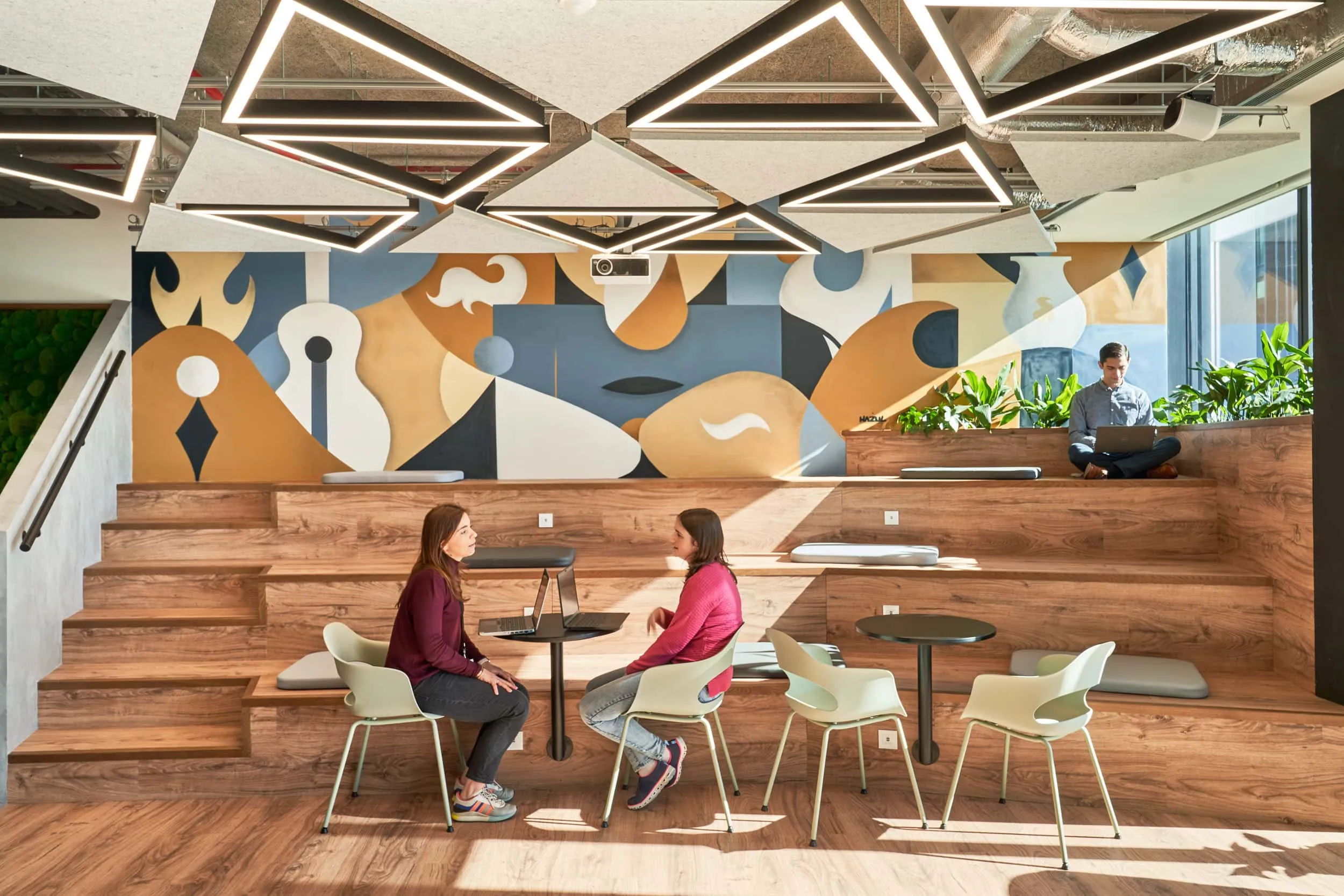
Zone A · Orientation
Information sits in stacks—overview first, operational detail second—so teams can read only what they require in each sitting.
Short cues replace lengthy instructions. Each cue maps to a five-to-ten minute window that respects adjacent meetings.
Visual layers mimic partitioned offices: background imagery stays softened so foreground text remains readable at a glance.
Zone B · Evidence of place
Mapping short loops—stairs, atriums, perimeter hallways—helps groups agree on predictable routes before the day accelerates.
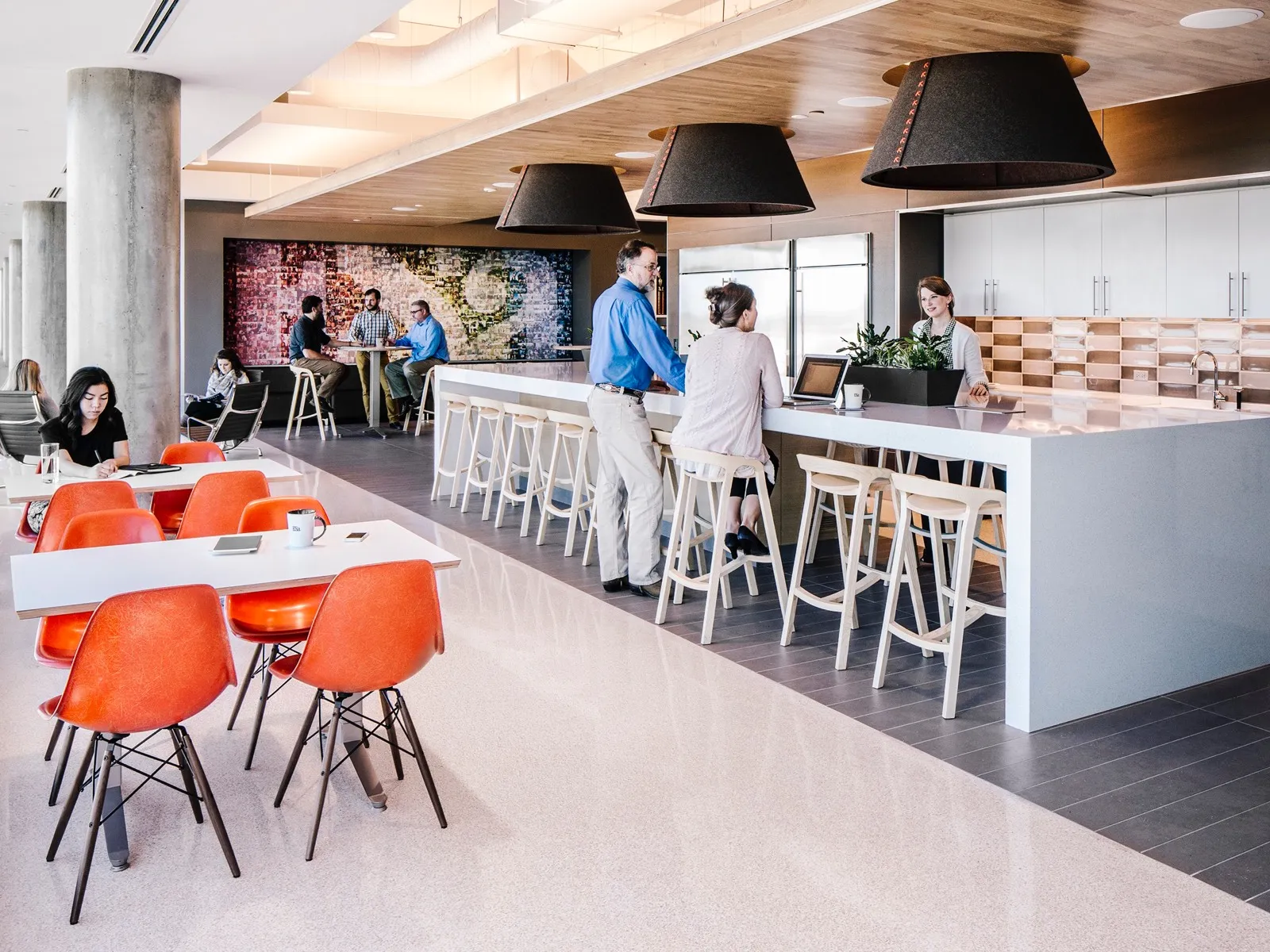

Zone C · Midday transitions
Neutral descriptors—such as “post-lunch taper” or “pre-meeting reset”—give language teams can reuse in calendar notes. Content stays descriptive rather than evaluative.
Zone D · Shared assets
Printable reminders for posture checks and micro-breaks. Files are optional aids, not requirements.
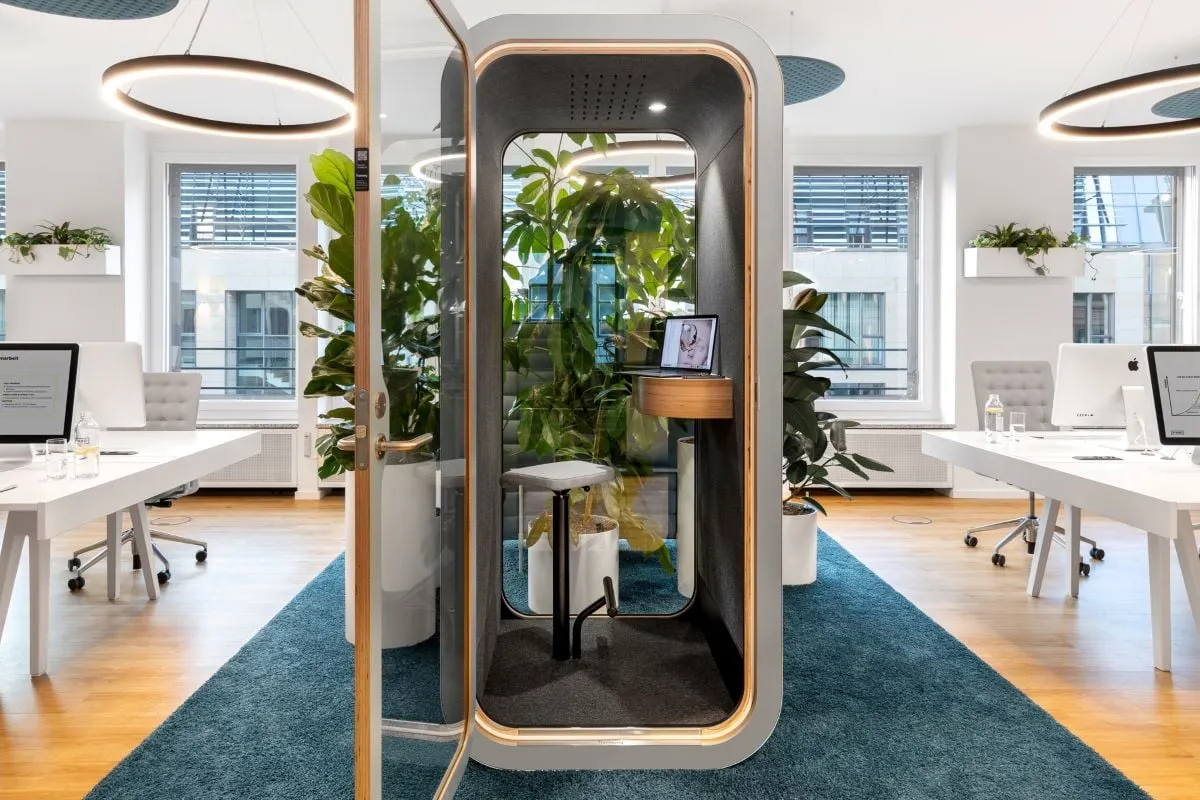

Zone E · Berlin studio
Write to us about formats, permissions for printed routes, or how to cite materials internally. We reply during standard business hours in Germany.